Cody, Oliver, and Mary
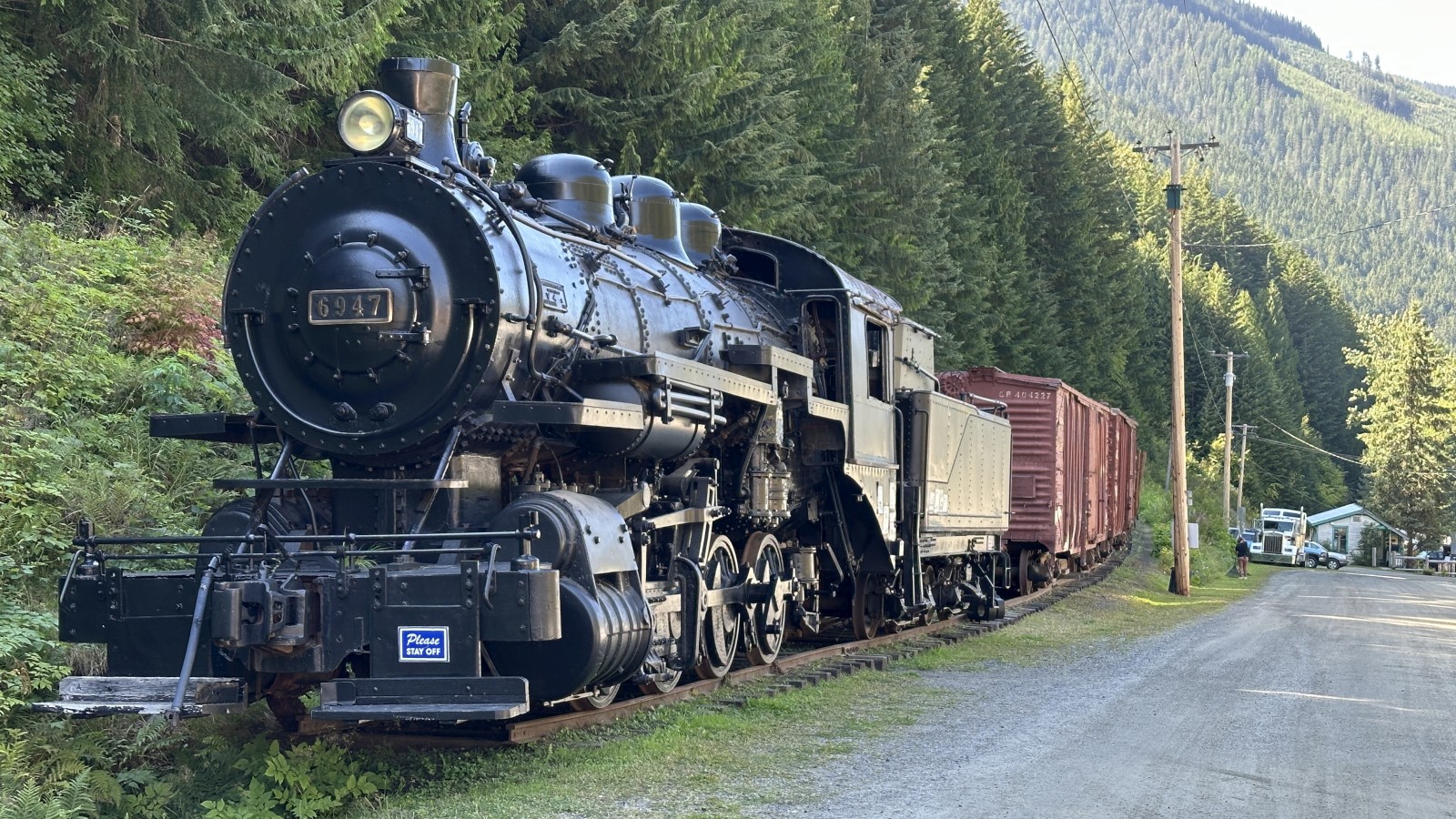
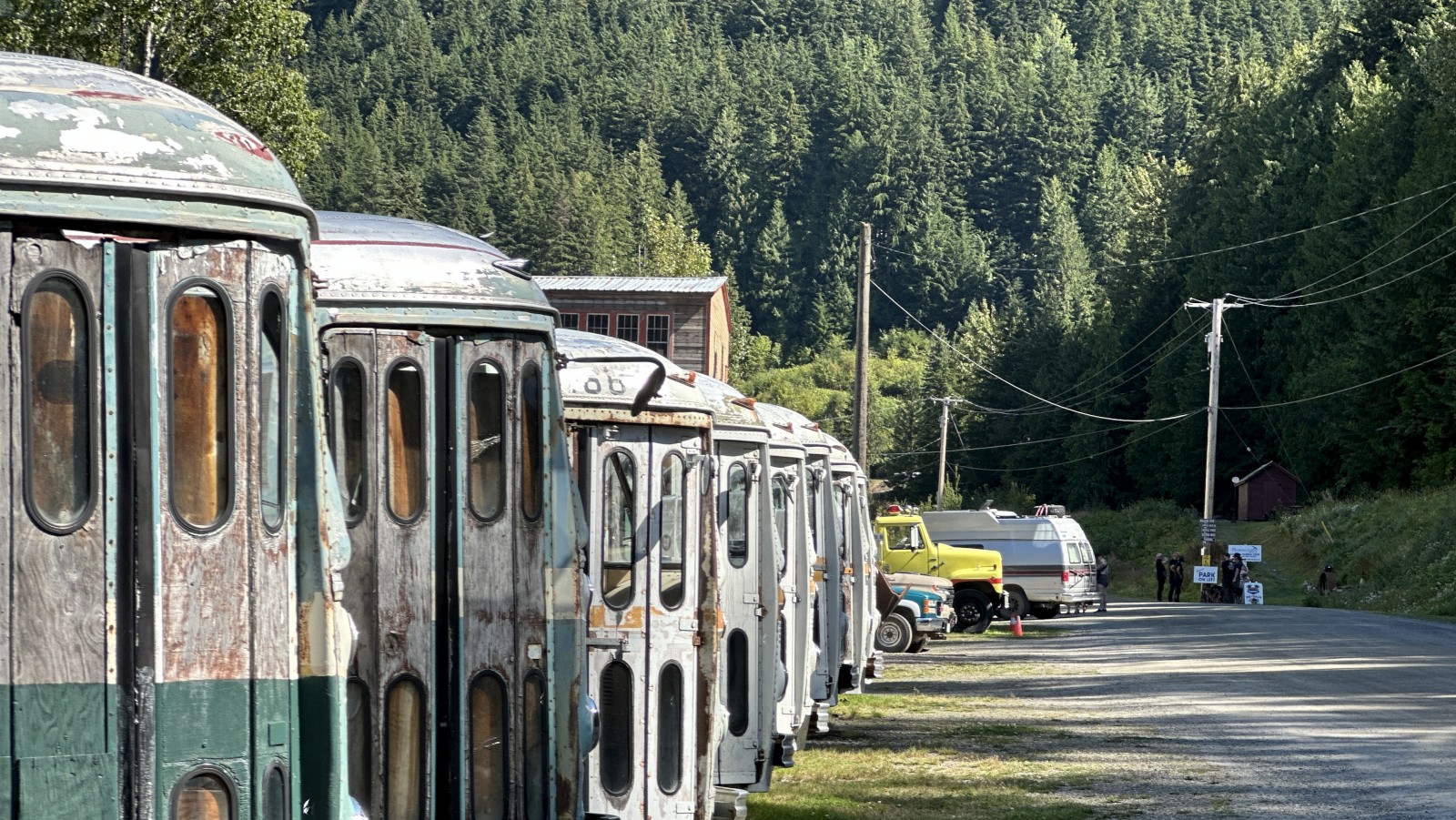
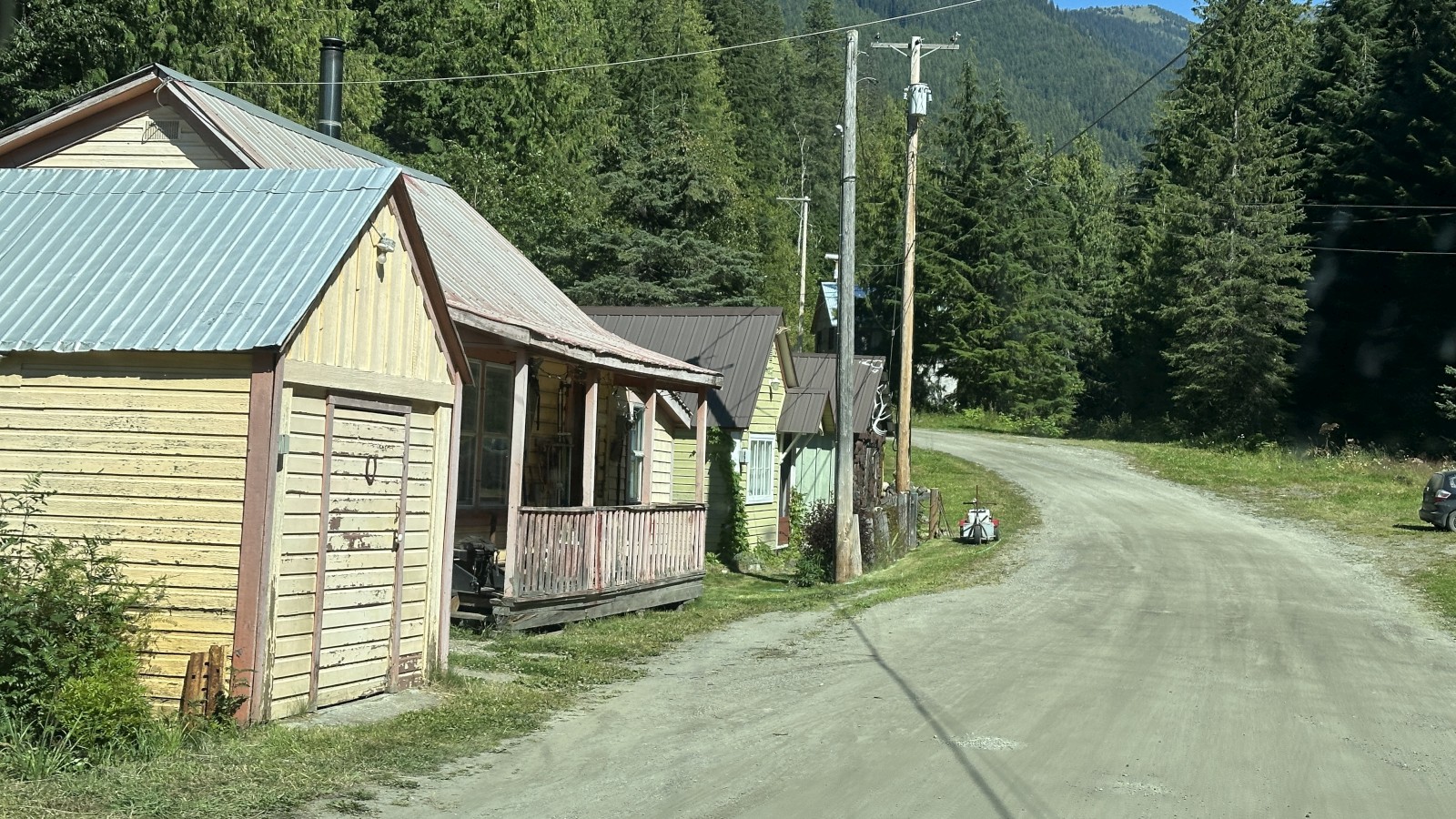
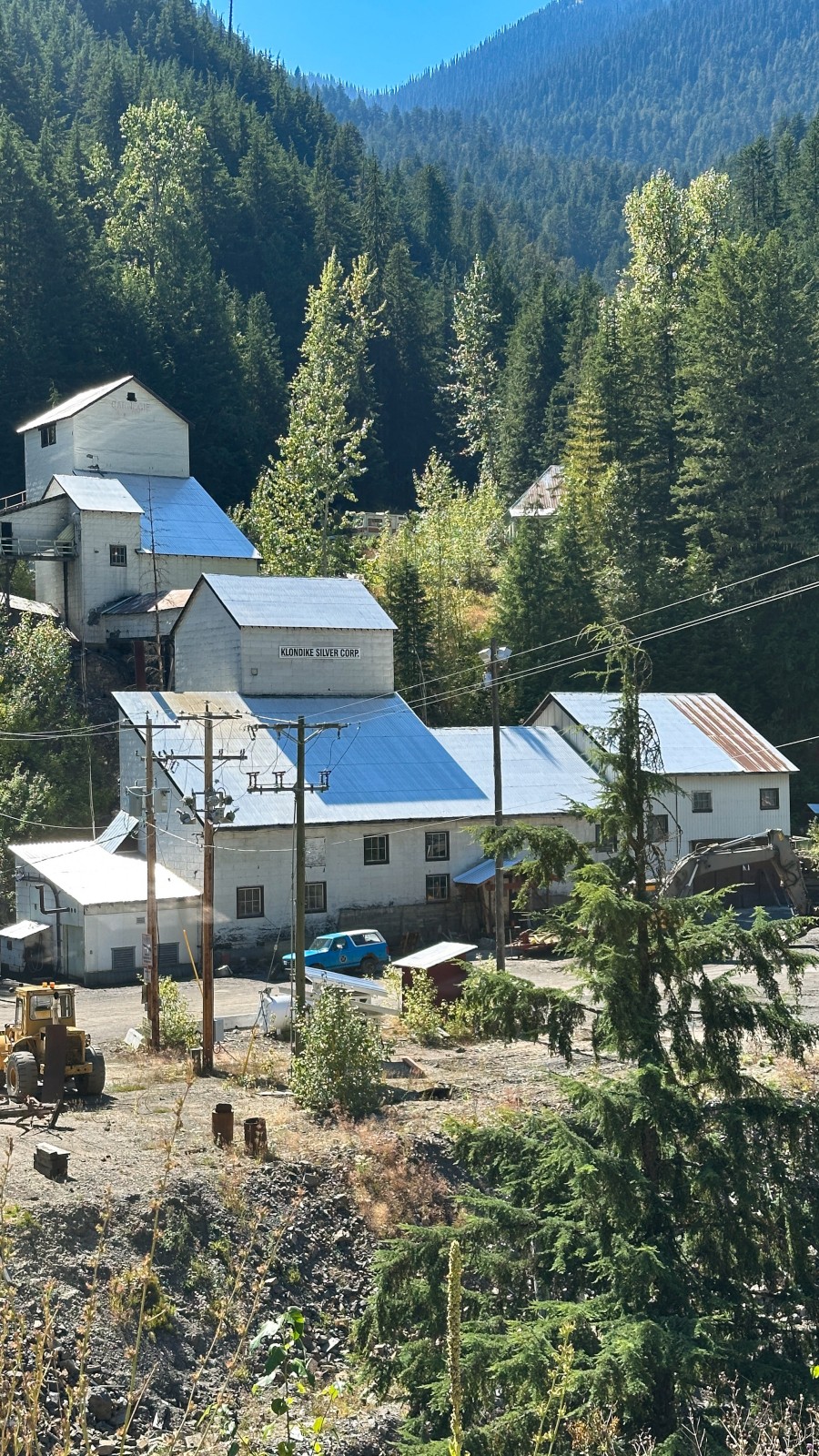
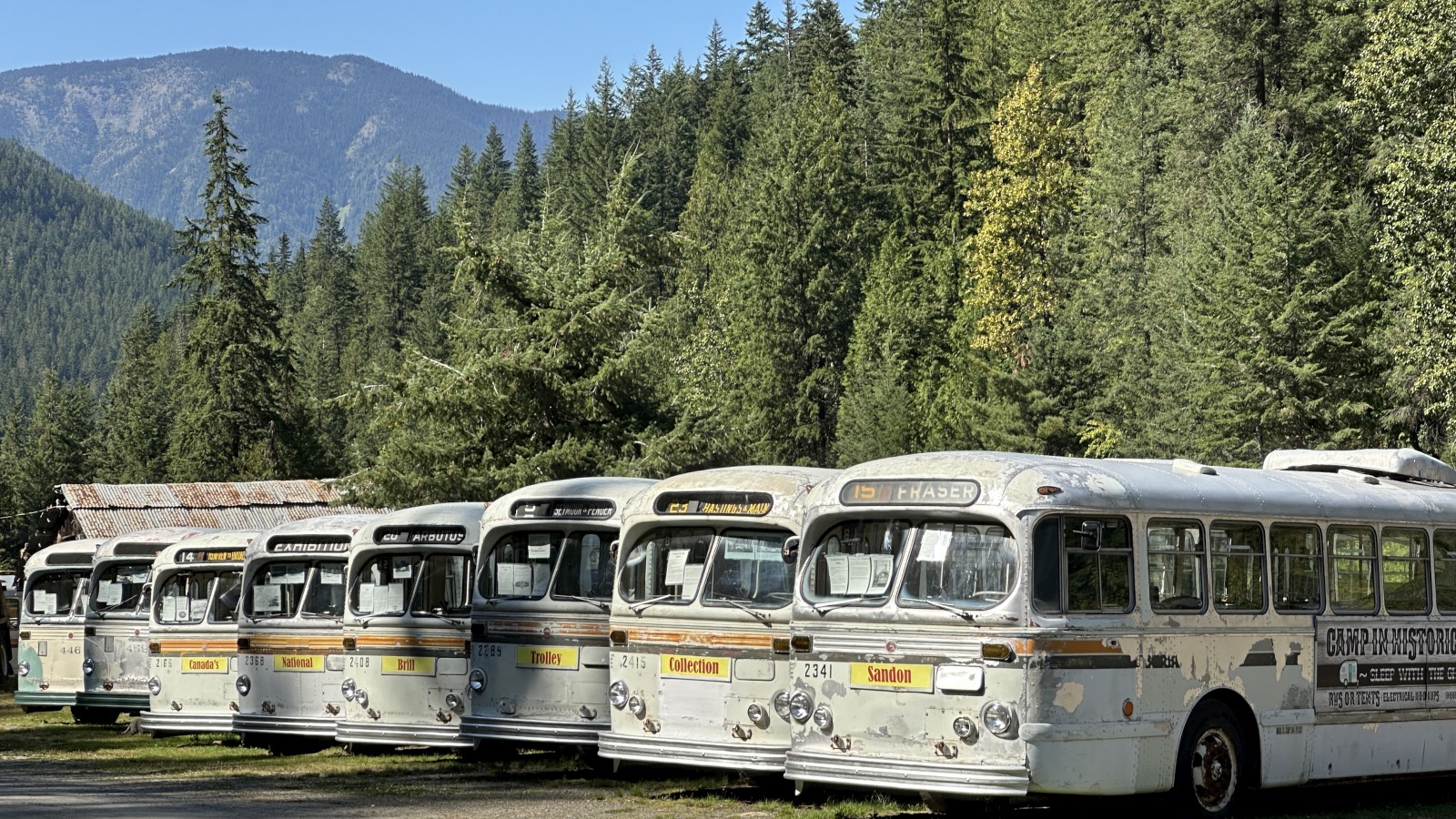
Backtracking isn’t our favorite thing, but sometimes you’ve got to eat your pride to snag something you missed. In this case: ghost towns. We retraced a stretch of highway between New Denver and Kaslo to take a gravel road that promised Sandon and Cody — both old mining towns with more history than people.
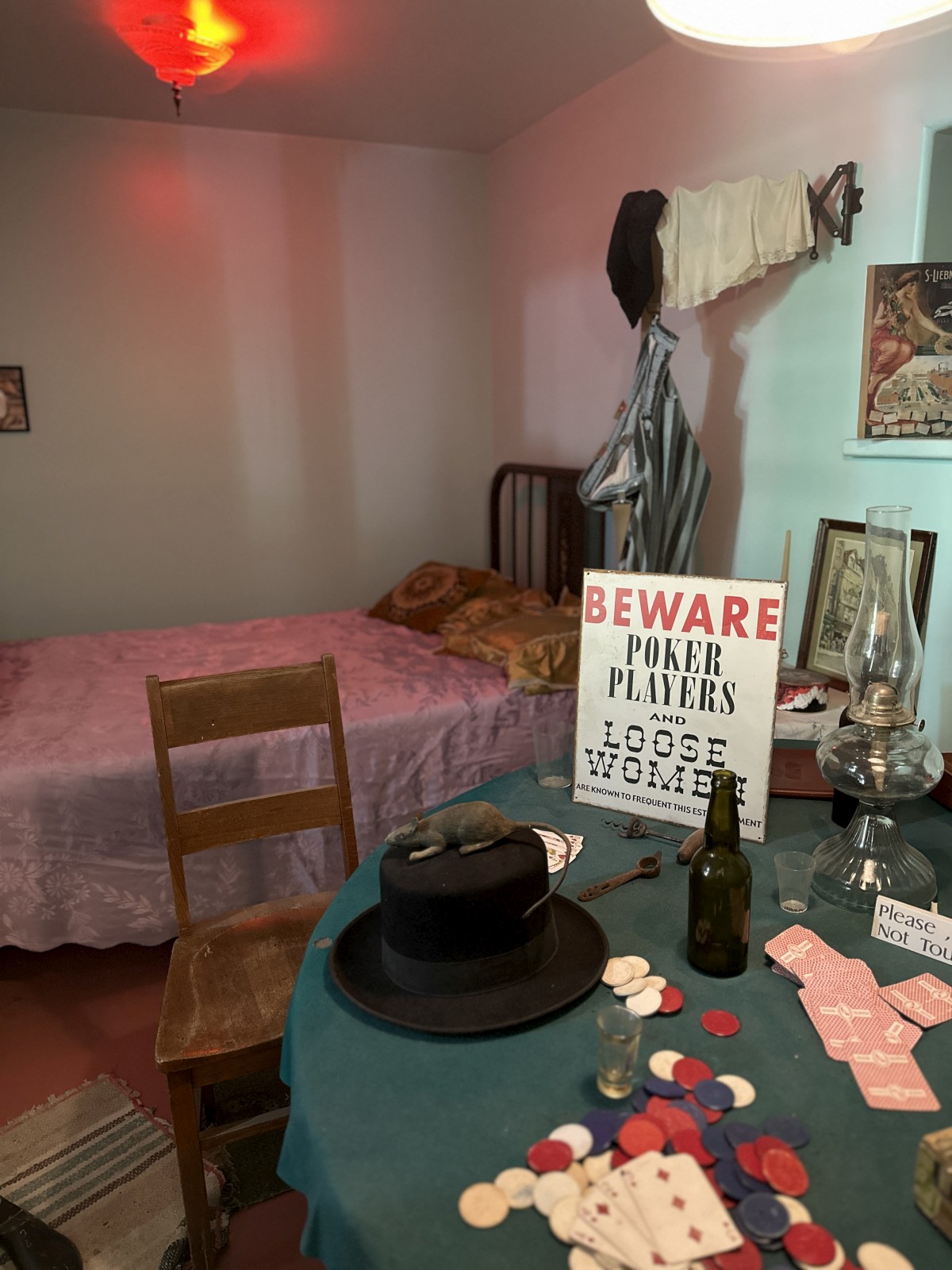
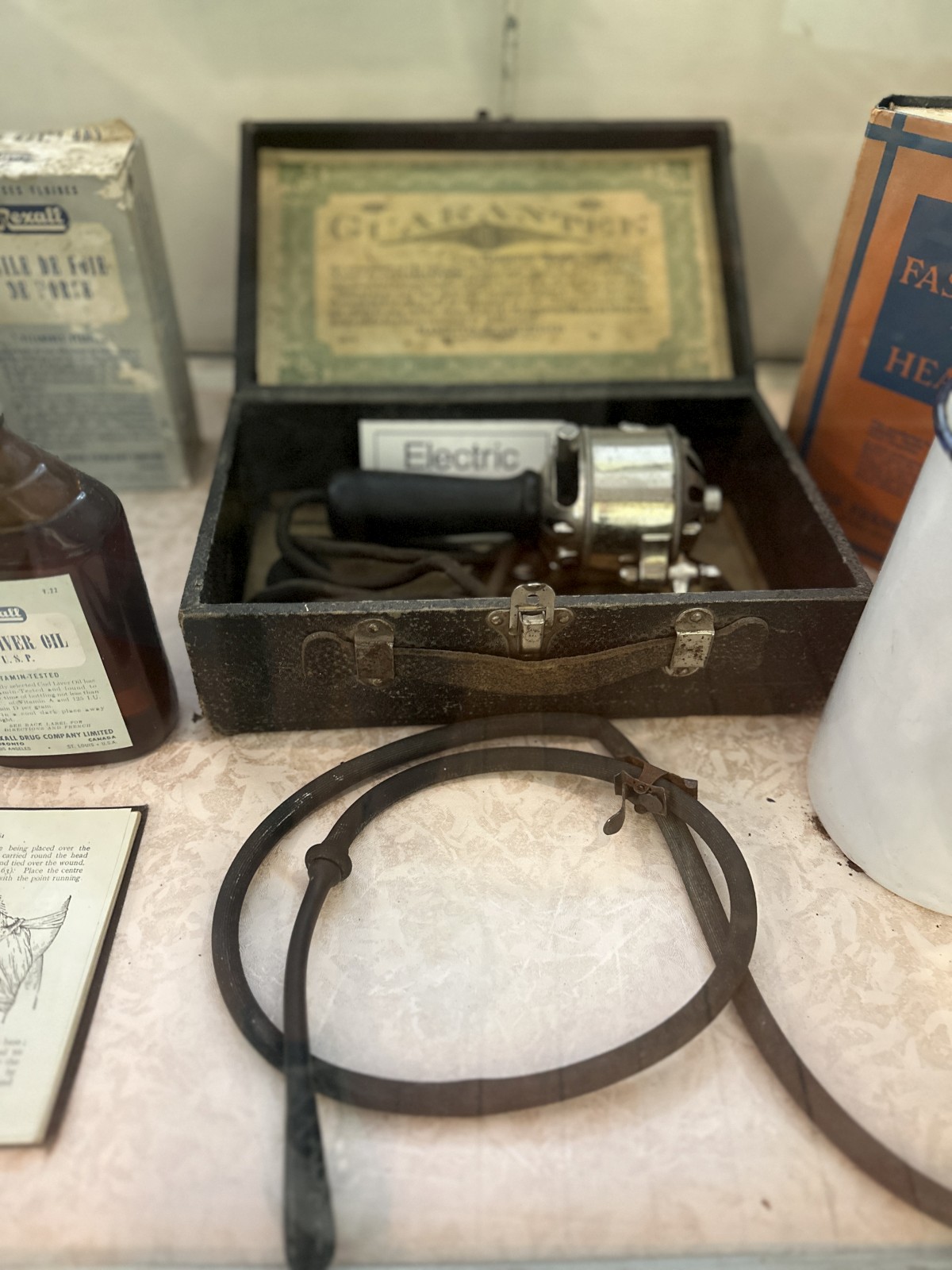
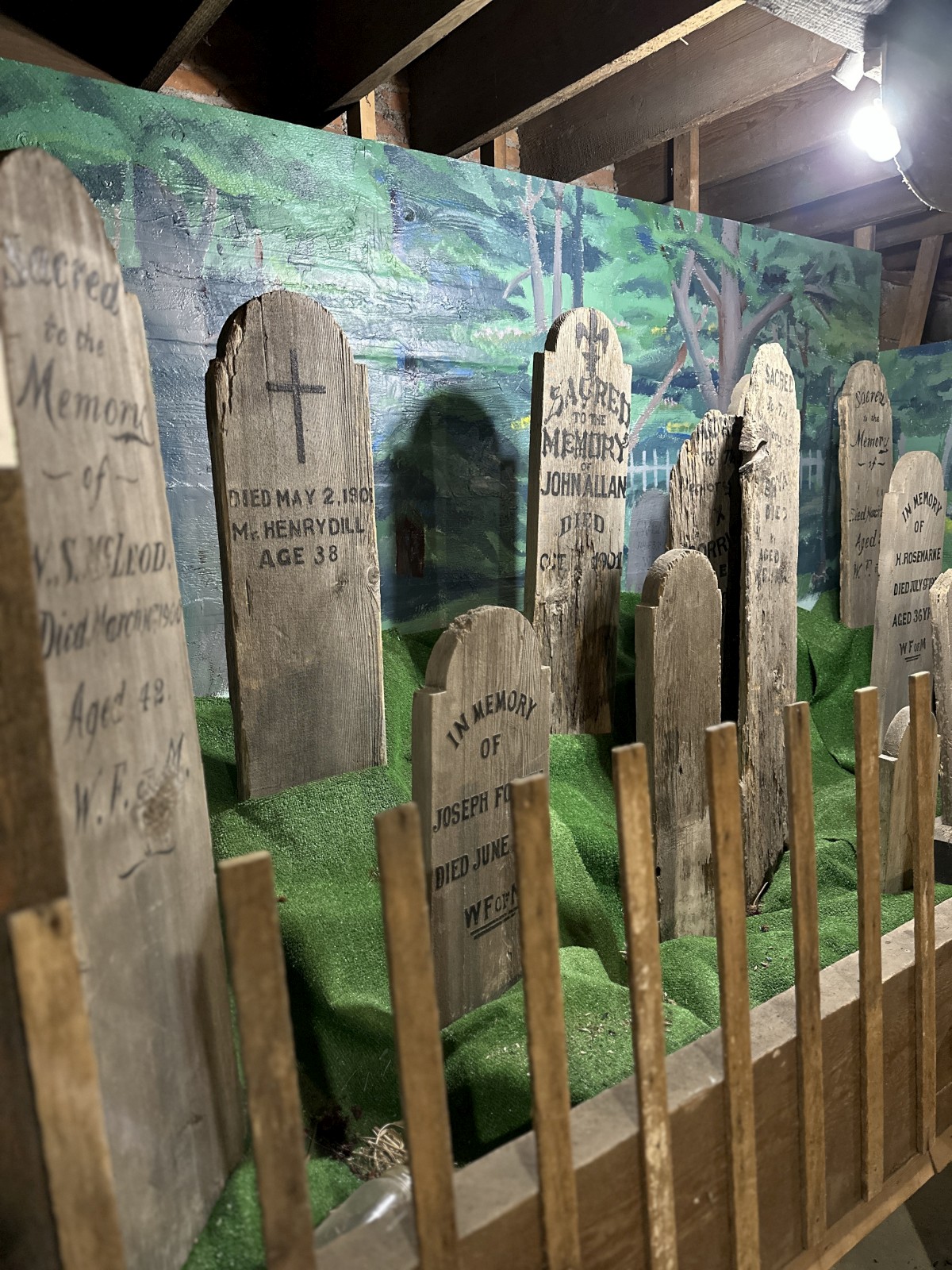
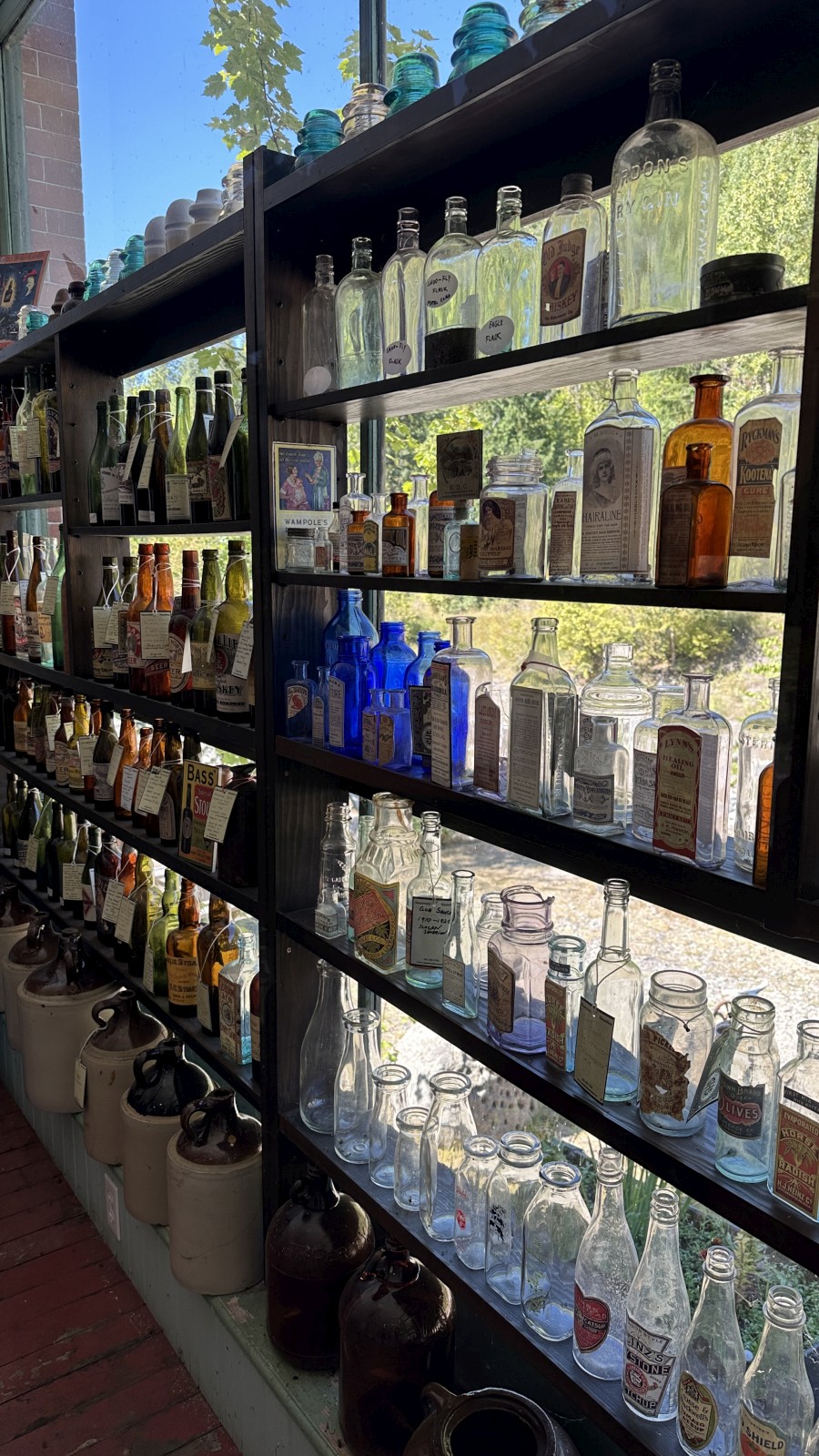
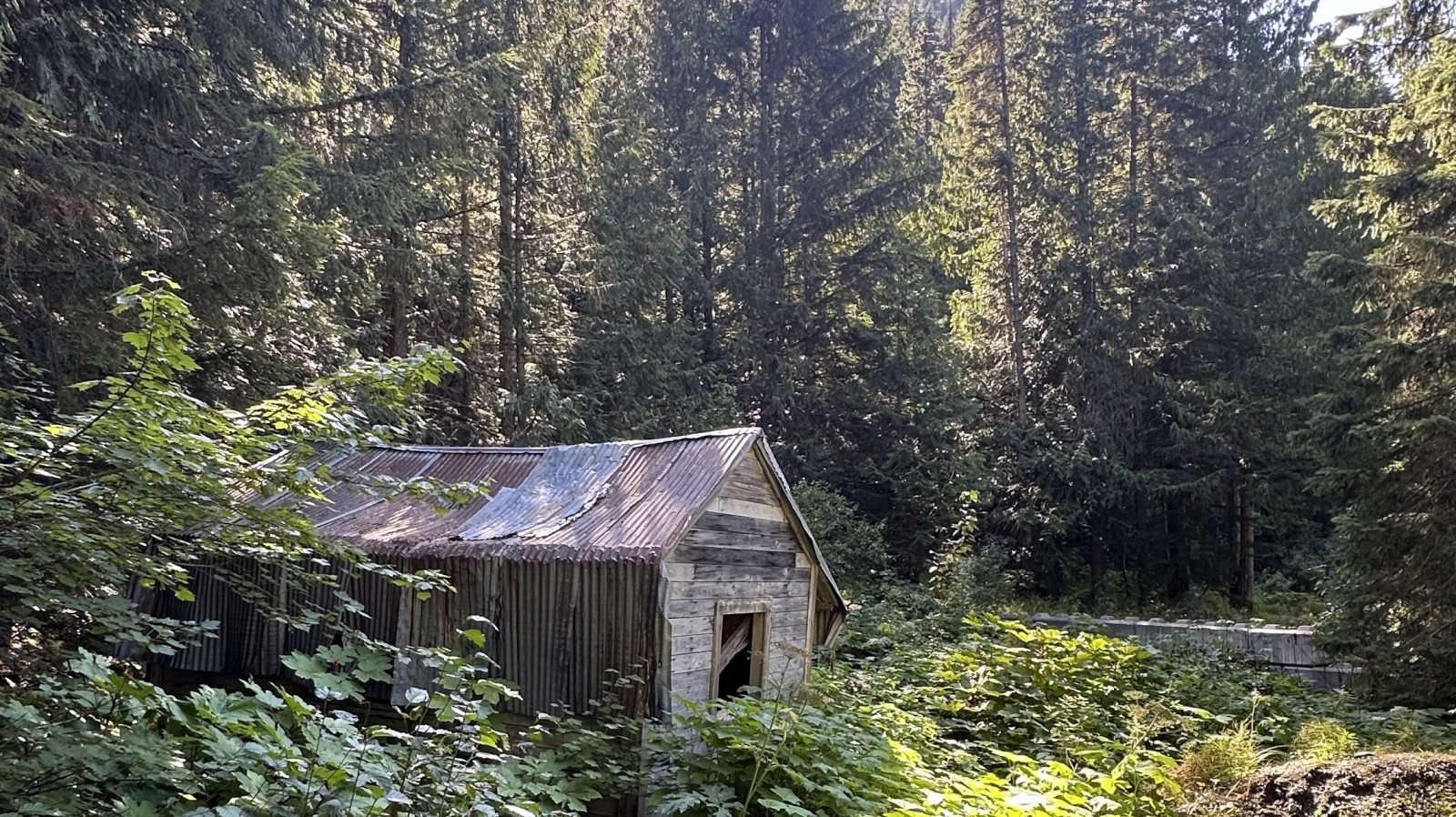
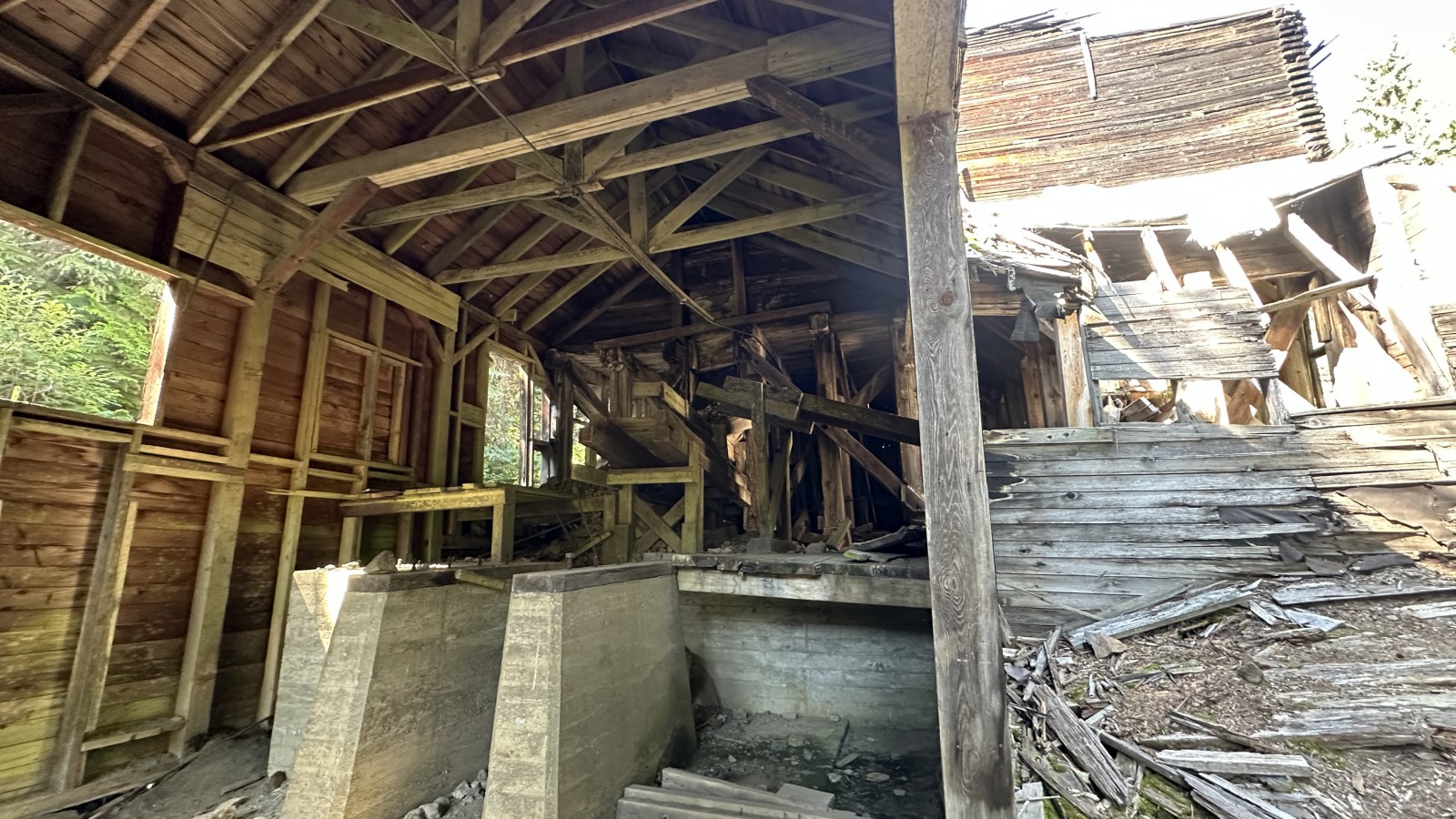
We aimed for the nearby campground, but it was full. No worries. Sandon turned out to be surprisingly lively for a “ghost town” — multiple museums, restored buildings, and even a snack shack. (Ice cream cone = instant win.) But for the real haunted vibes, we bumped farther down a rough dirt road to Cody. That was the real deal: a handful of crumbling structures, barely standing, ghosts practically sighing through the timbers. We poked around, soaked in the desolation, and then faced the real challenge: finding a camp spot. Tight canyon, private property everywhere — strike after strike. By late afternoon we caved and pulled Marcel back out to the highway and to a lakeside turnout at the top of the pass. Roadside camping isn’t our jam, but when the clock says 4 p.m., you do what you gotta do.
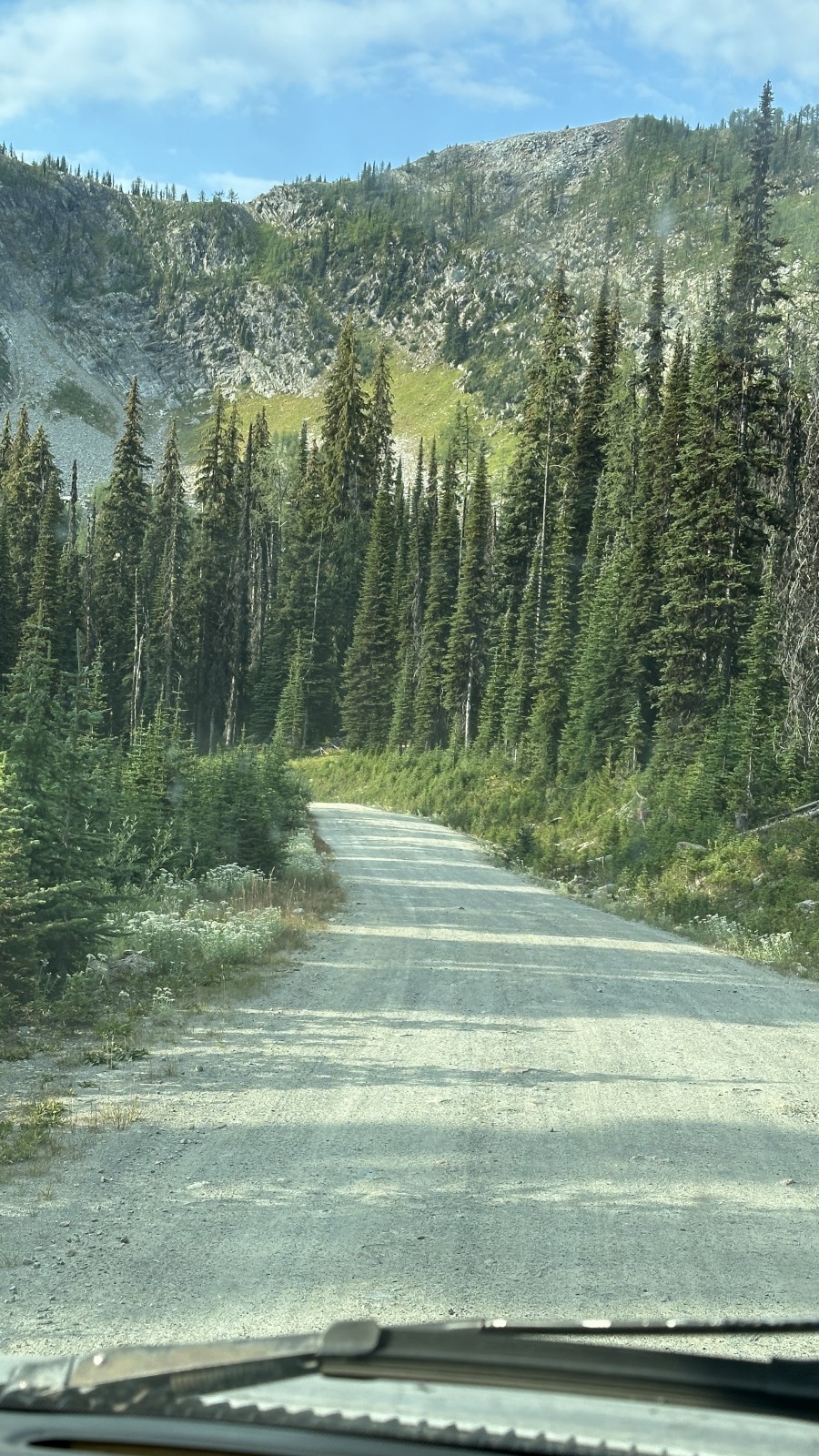 Next stop: Kaslo for supplies, then south to Balfour to hop another of BC’s free ferries. This one was the longest ferry ride in the province — 45 minutes across Kootenay Lake. From there, another dirt road lured me in. This wasn’t your average canyon crawler either — it went over a mountain pass. Eighty kilometers of dirt. Seventeen kilometers of 9% grade. A 4,000-foot climb. For a five-ton van that had to meet California’s 1995 smog standards. What could go wrong?
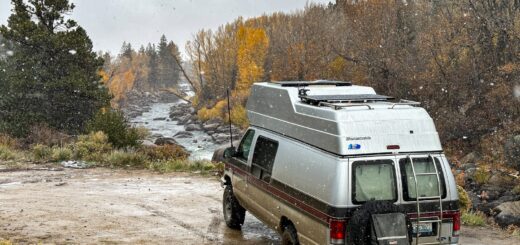
Two-thirds of the way up, the transmission answered: overheating. We pulled over, let Marcel cool his jets, and I started Googling if using 4-low would help for these long, slow, climbs. Turns out my “brilliant idea” wasn’t brilliant at all. It was just standard 4×4 knowledge. With that humble revelation, we dropped into 4-low and cruised the rest of the grade like mountain goats.
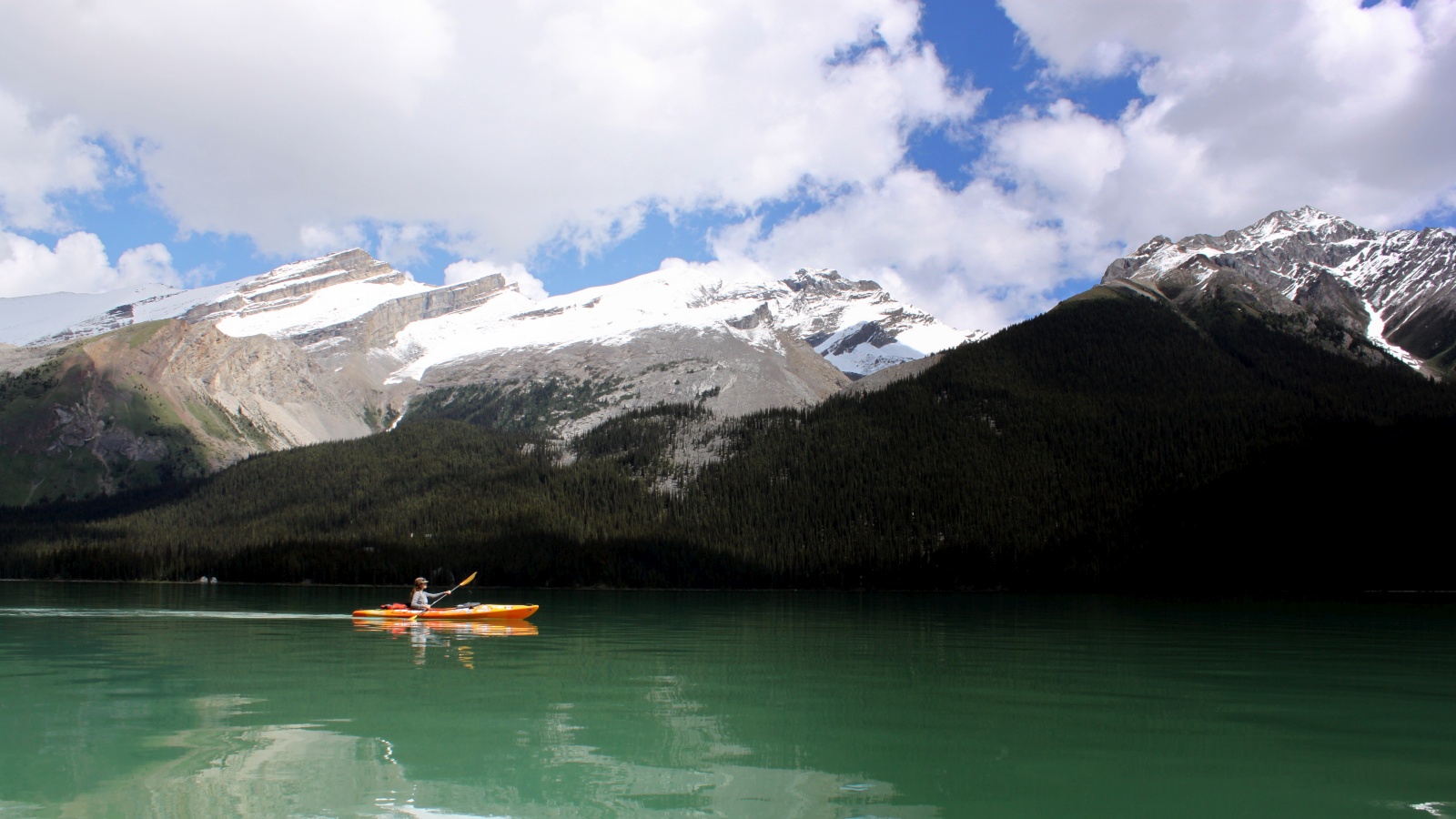
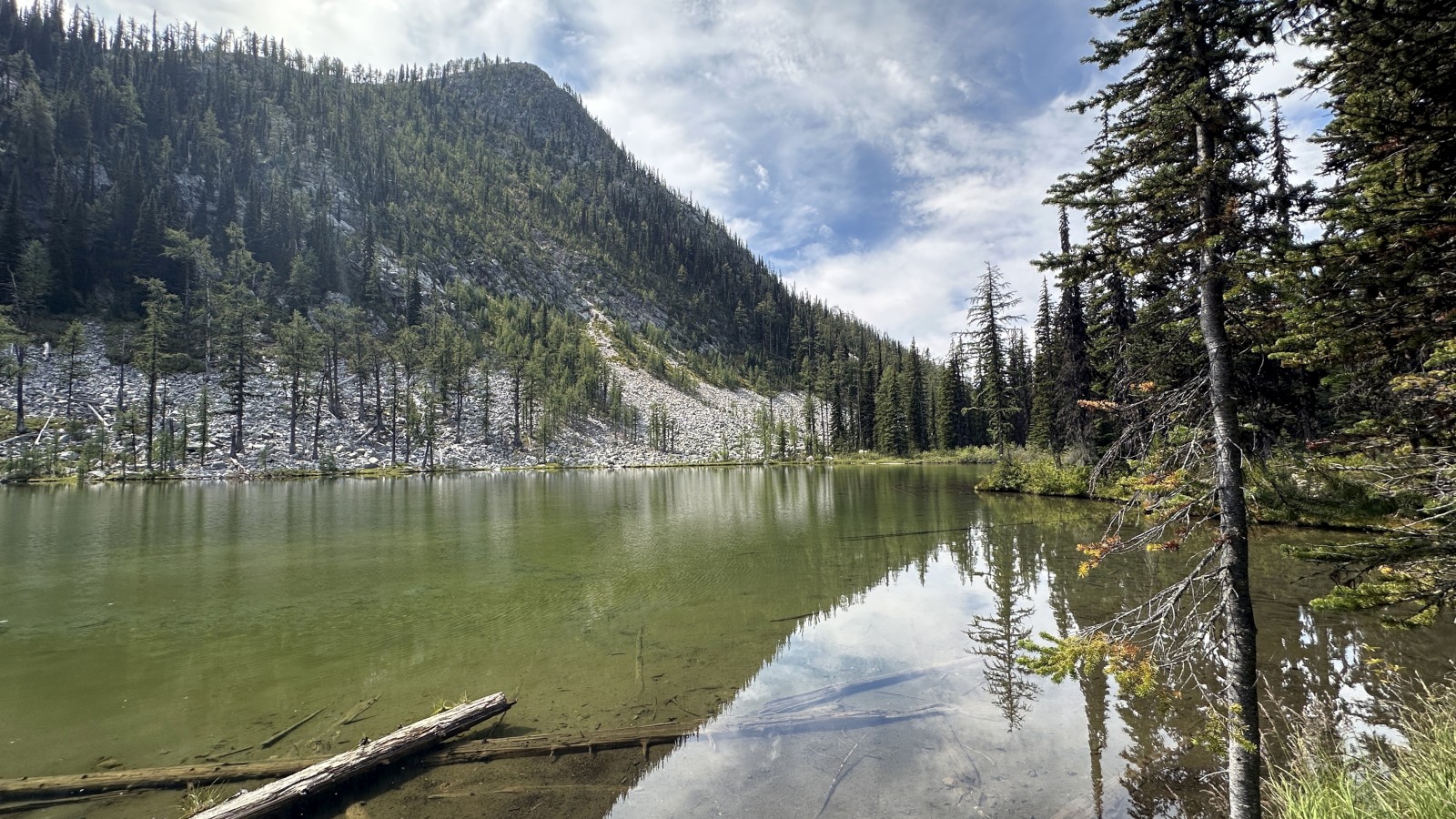
At the top, Oliver Lake Recreation Area offered a small lakeside site. Perfect, except for the bloodthirsty mosquitoes that greeted us like we were the dinner special. We spent the evening indoors, with only brief kamikaze runs to the lake for water to filter.
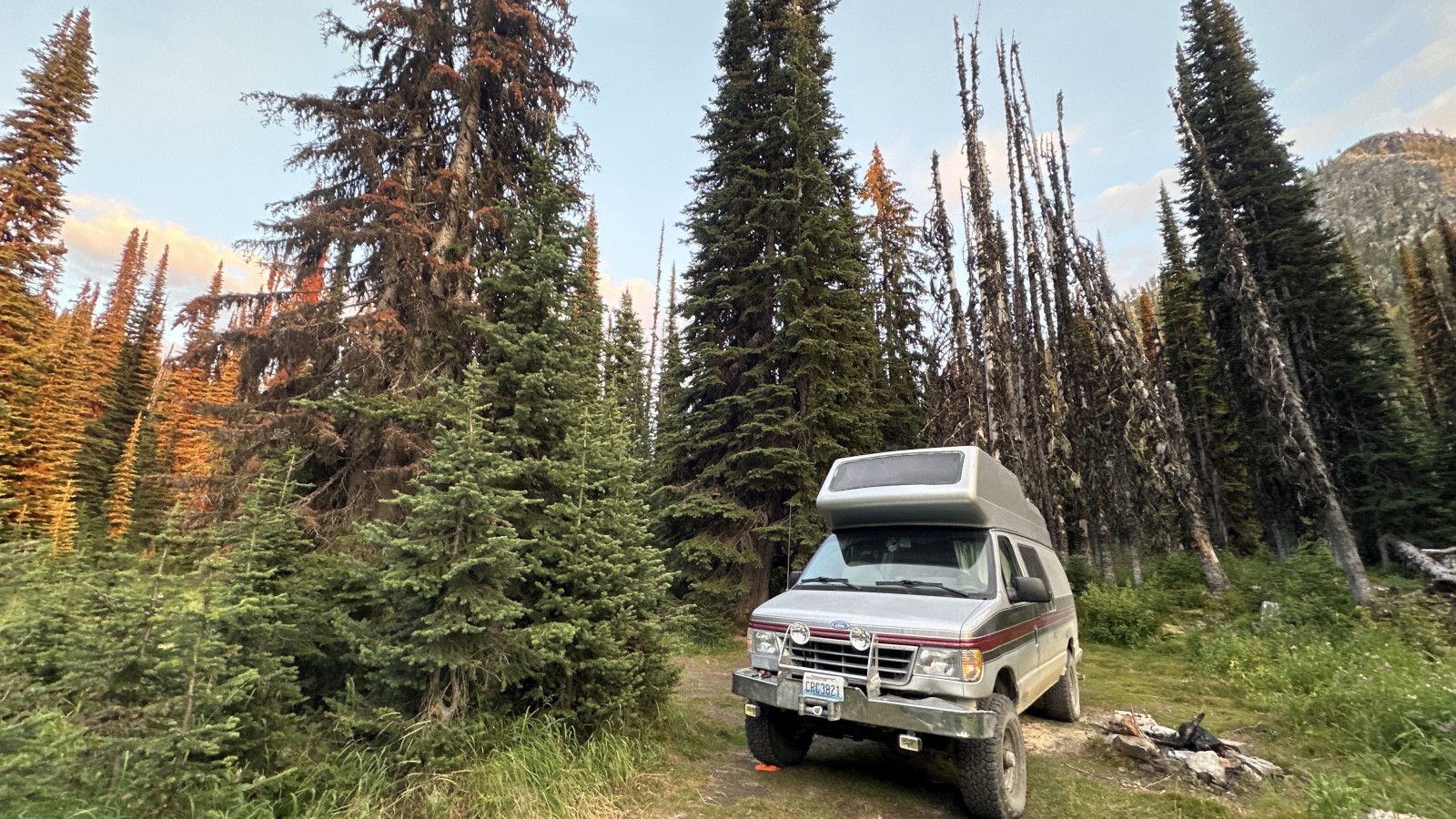
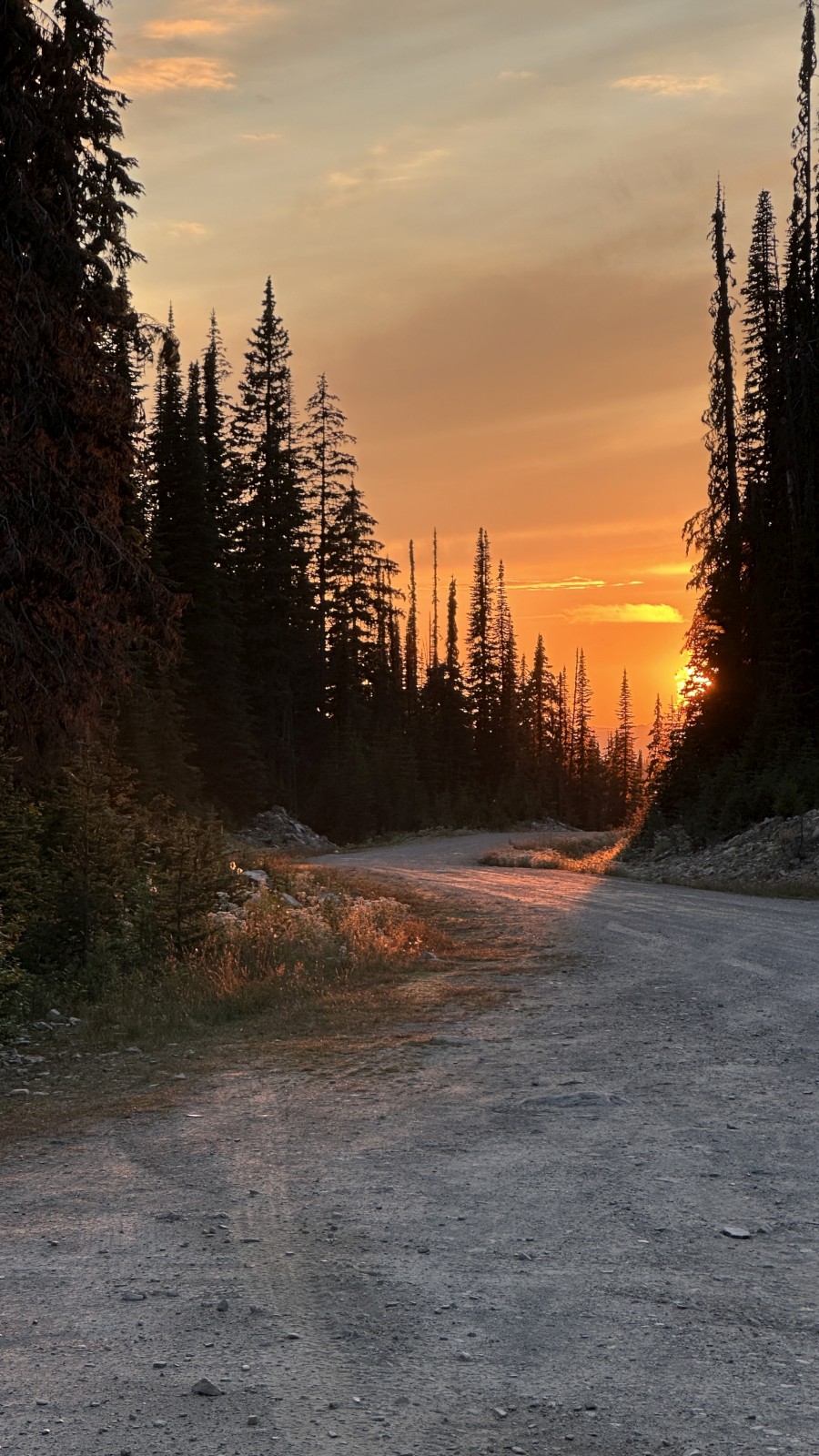 The next day we inched down the eastern slope. Rough rocks, tight switchbacks, not many pull-outs. Mary’s Lake looked promising until we realized it was a provincial park packed with Labor Day campers. We tried a spot outside the park, but Starlink was blocked by trees. Nope. Backtracked a mile, turned down another side road, and scored a quiet patch all to ourselves.
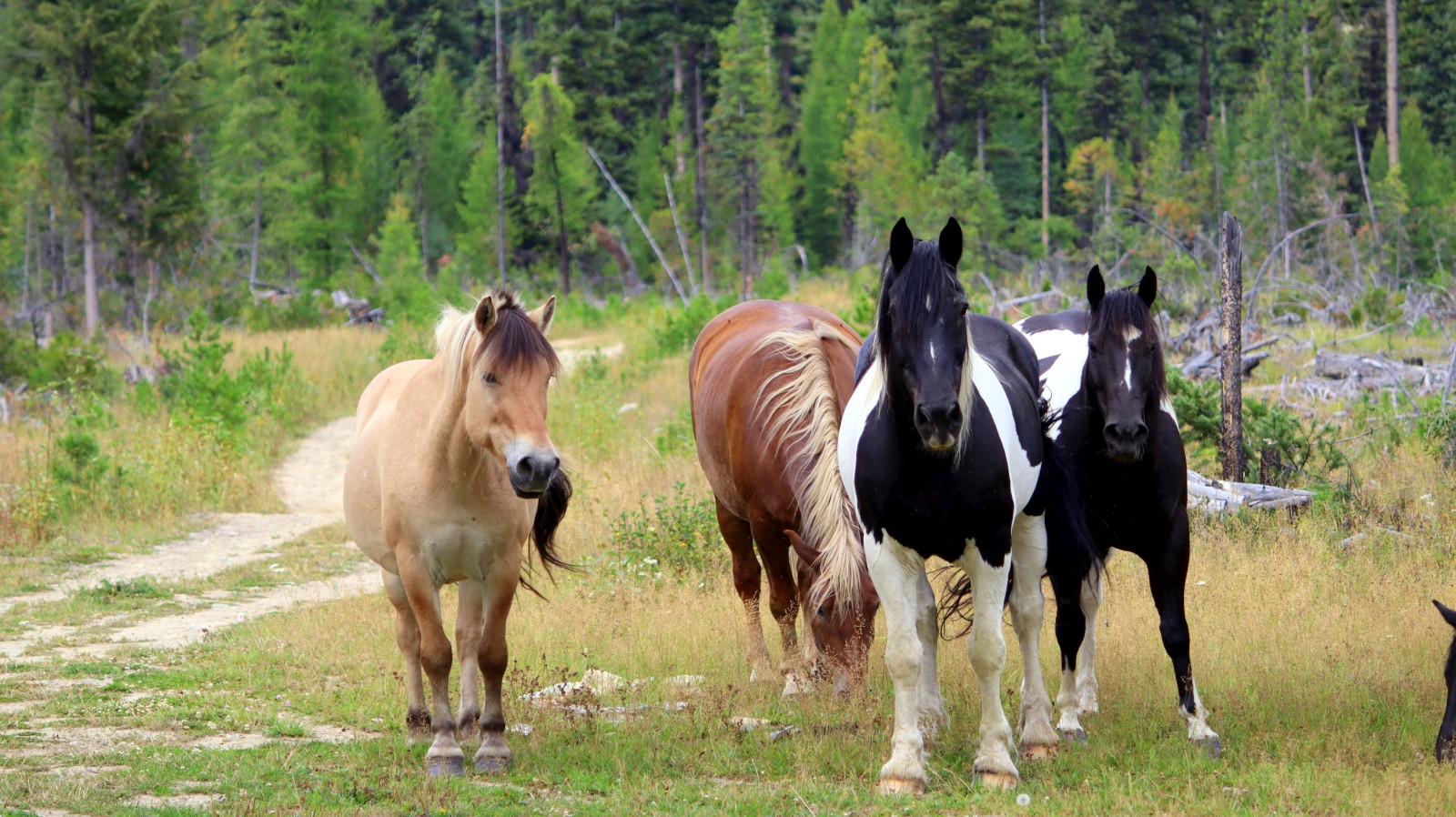
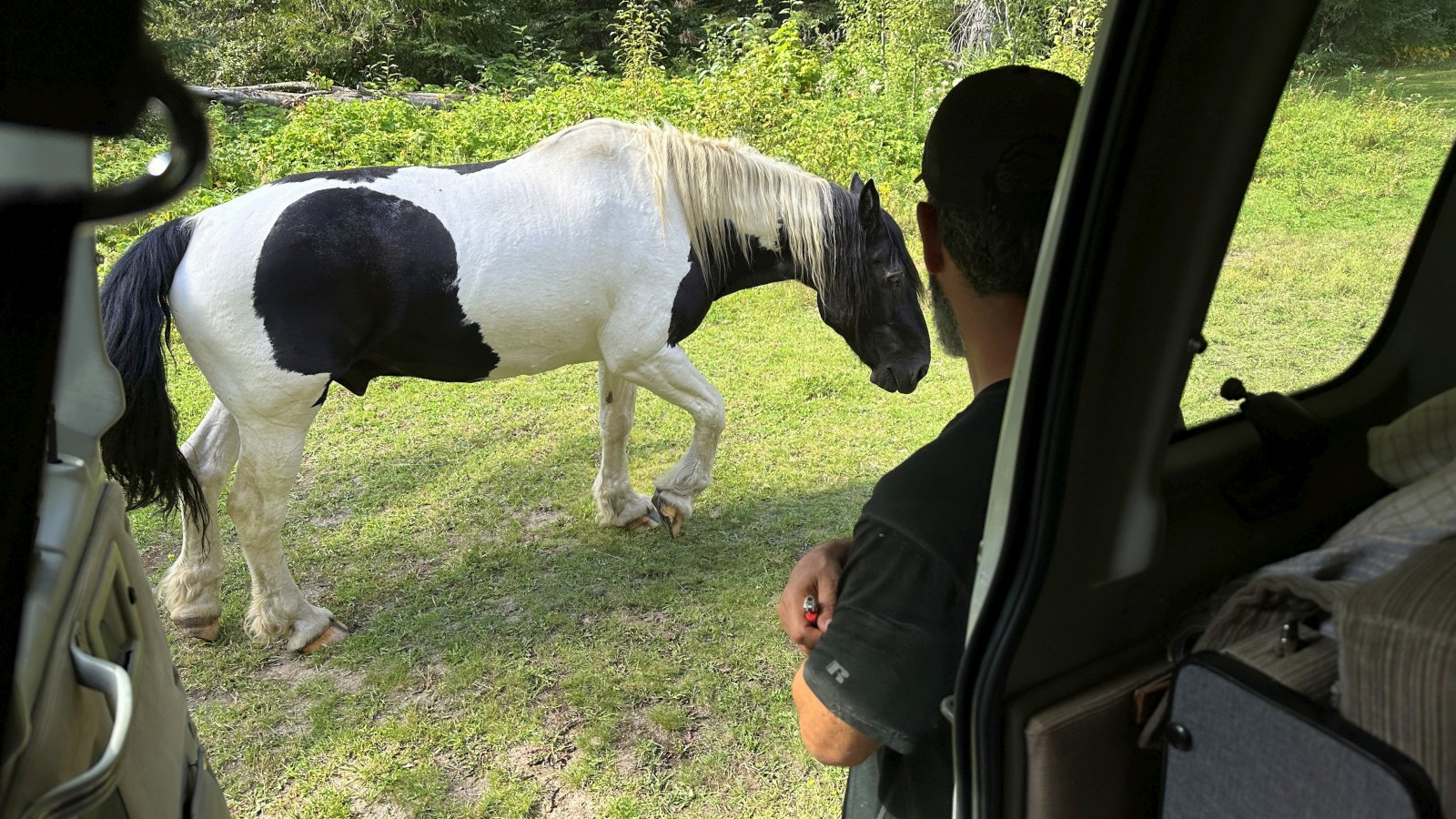
That’s when the magic happened: a family of wild horses wandered in and loitered like they owned the place – obviously, they did. They didn’t do much besides hang out, but it was surreal watching them graze in front of Marcel for hours. Eventually they meandered off, and we had the forest back.
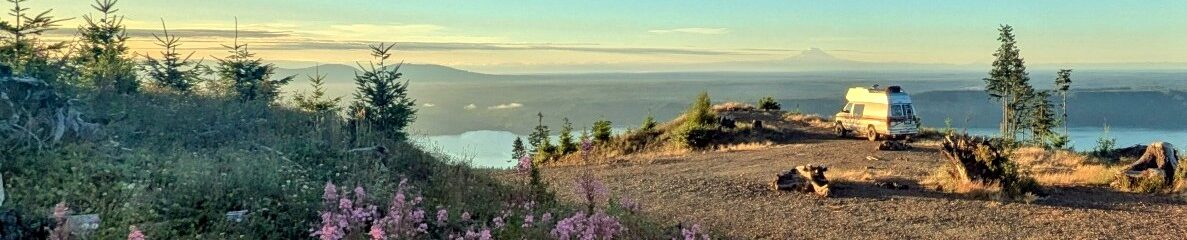
Labor Day weekend meant one thing: pick a spot and stay put. Everyone and their dog (literally) was out camping. So we went hunting for a site with water nearby, knowing we’d be there at least three nights. The first option was blocked by a massive washout — impassable, no matter how badass your rig. The second option was a wide, grassy clearing ringed by forest. One trailer was already parked dead center, but we tucked ourselves in a far corner with perfect solar and Starlink. Done deal.
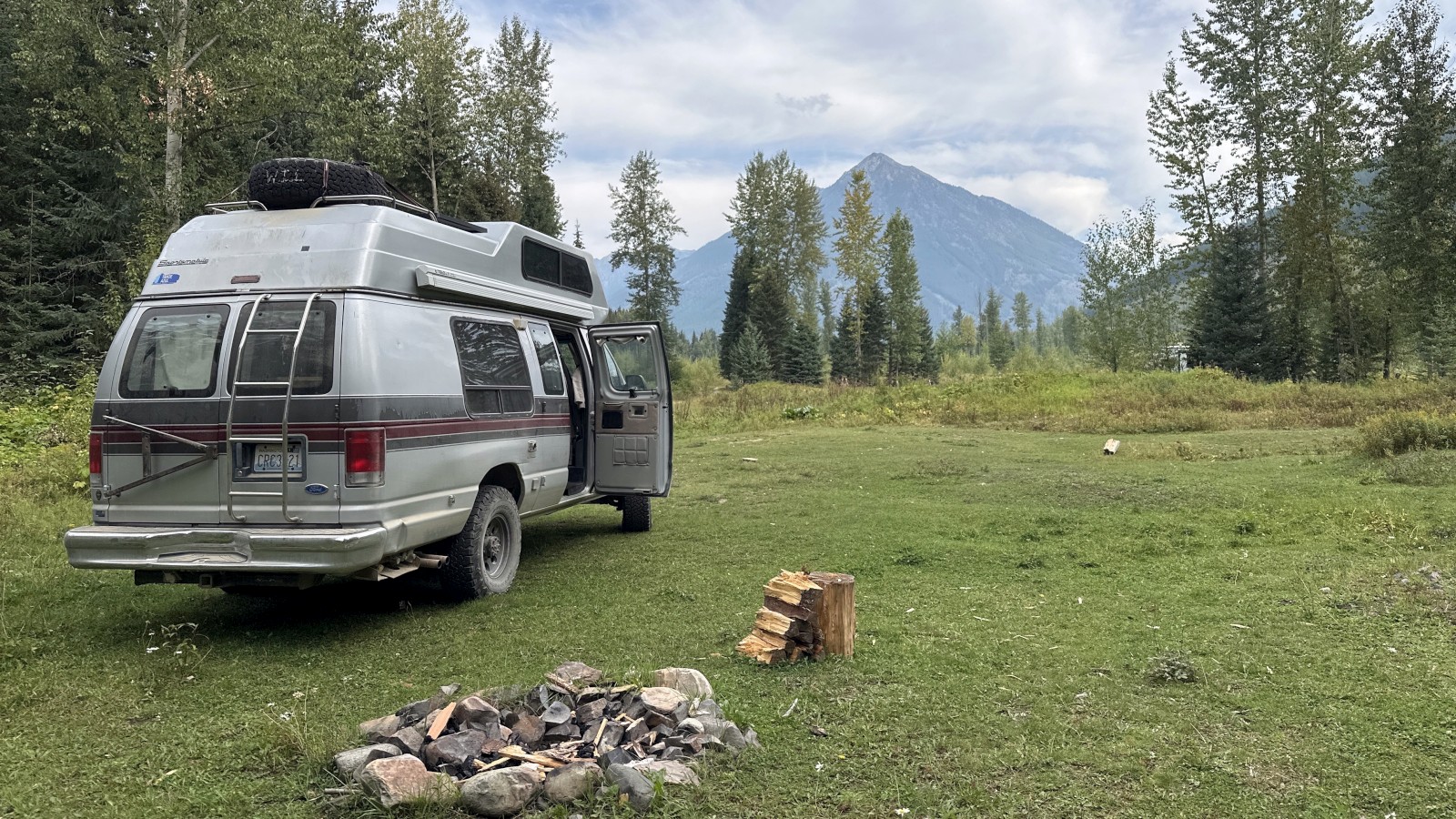
Good thing too, because the neighbors multiplied. By sundown, four more trailers had joined the original, all clustered together while we held down our corner. They were decent neighbors, but that original trailer? Never saw a soul all weekend. Just parked there to “claim” a spot that they didn’t even use. Classic douche move. Honestly, I expect that south of the border, not in Canada.
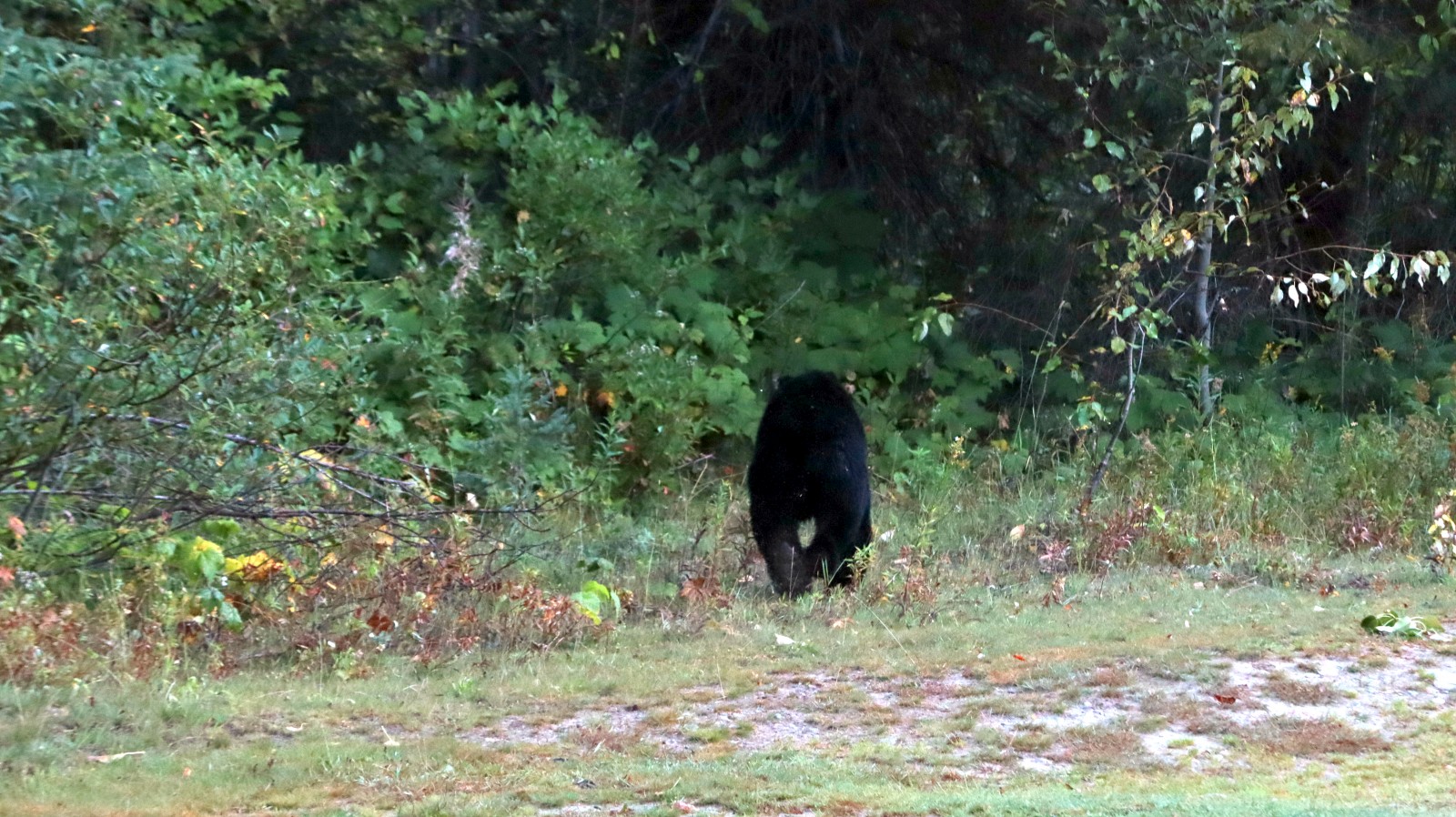
Still, the weekend delivered: the horses came back to visit, and one morning a bear wandered into camp.